
Laurea Living Labs
Circular Economy Living Lab
Laurea’s Circular Economy Living Lab brings together teaching, research and development around circular economy and sustainable development. It offers students, staff and partners opportunities to learn, develop solutions and collaborate in practical projects.
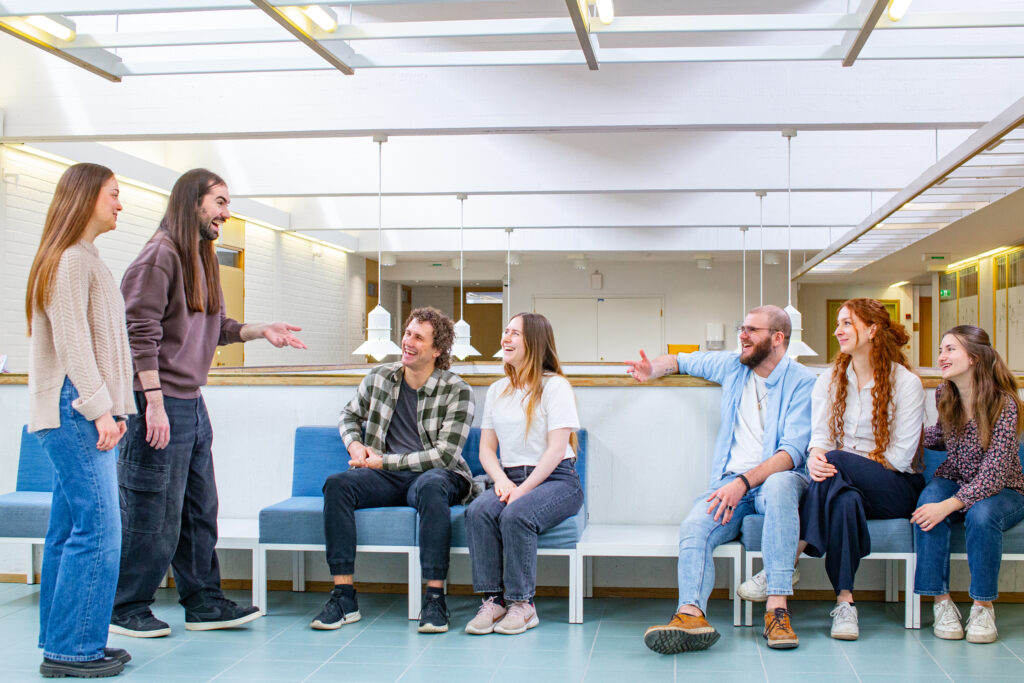
What does the Circular Economy Living Lab do?
Laurea’s Circular Economy Living Lab brings together teaching, research and development as well as regional development around circular economy and sustainable development.
Laurea strengthens students’ competence by offering studies and learning content related to circular economy. Students can participate in development and thesis projects where they work together with Laurea’s partners and develop new solutions. The Living Lab also serves as a place where students and collaboration partners can network.
Laurea supports staff competence by offering opportunities to learn more about circular economy and to collaborate with others interested in the topic. The Living Lab gathers knowledge and expertise so that it is easy to utilize.
In addition, Laurea helps companies and organizations in the Uusimaa region develop their operations in line with circular economy principles. This happens, for example, through co-development, trainings, studies, theses and RDI projects. The Living Lab brings together research, development and different actors and enables collaboration and networking.
Collaboration models
Laurea’s Circular Economy Living Lab offers companies an open research and development platform where students, companies, researchers and developers can meet and build collaboration with a low threshold. The Living Lab actively supports a company’s development: it helps articulate challenges, find the right experts and guides the company to an appropriate form of collaboration that produces concrete value and supports circular economy goals.
Collaboration opportunities
RDI project collaboration
In RDI projects the company can develop circular economy solutions together with Laurea’s experts and a broad domestic and international collaboration network, such as the Pioneer Europe University Alliance. Projects provide support for a company’s internationalization and the opportunity to pilot solutions in real use environments by utilizing the user-driven testing and trial platforms offered by Laurea’s Living Lab network.
Student and studies collaboration
Student collaboration offers companies an agile way to examine their development challenges from fresh perspectives. Project and study assignments and theses can produce, for example, concepts, reports or quick experiments, and the Living Lab ensures the right expertise is targeted and provides support for, among other things, facilitating co-development.
Commissioned research and R&D assignments (fee-based)
Targeted research or development work can be carried out for a company’s needs, which may relate, for example, to innovating sustainable business models and responsibility communications, designing human-centered and circular-economy-based service solutions, or deepening customer and user understanding in circular economy business. The Living Lab supports in shaping the assignment and directs the work to the appropriate Laurea experts or RDI teams.
Commissioned training and competence development
The Living Lab helps companies find practical training solutions that fit the situation and strengthen staff competence in circular economy, sustainability and responsibility. Trainings can be targeted theme days, coaching sessions or broader learning packages that support a company’s strategic objectives and change needs.
Open morning coffees
The Circular Economy Living Lab’s virtual and open morning coffee events provide companies with an easy way to stay up to date on current circular economy topics, hear expert presentations and get acquainted with the Living Lab’s activities. The events create a low-threshold opportunity for networking, preliminary idea sparring and finding possible student or RDI collaboration paths.
Our network
Circular economy and sustainable development
Ellen MacArthur Foundation (EMF)
EMF is a key international network actor from the perspective of circular economy, related business and societal transformation. The foundation has practically developed and launched the modern concept of the circular economy and brought its perspective to international policy and business. It brings together primarily business and political actors, but also research institutes and universities. EMF also conducts research, organizes networks and training, and highlights good examples.
Sustainable Development Solutions Network Northern Europe, (SDSN-NE),
A global network formed by universities and higher education institutions, of which SDSN-NE is the Nordic network. The network combines education and research collaboration to achieve the UN Sustainable Development Goals. Within the network, universities and higher education institutions’ sustainability activities are developed in terms of teaching, research and organizational environmental programmes (buildings, energy, water, waste, mobility, etc.). The Nordic network includes over 60 universities and higher education institutions.
International Sustainable Campus Network (ISCN)
ISCN membership provides opportunities to utilize various resources related to teaching and sustainability activities and to share best practices among members in sustainable teaching, campus services and to organize joint events, conferences, etc.
PIONEER alliance for urban development
The cooperation aims to develop and implement international education, RDI activities and staff exchanges that promote sustainable urban development. The collaboration seeks new, creative solutions to global challenges of urban development. Key areas of teaching and research include carbon-neutral urban areas, sustainable tourism and housing, technological solutions for smart cities and strengthening resilience through safety and risk management. Central to achieving the alliance’s goals is co-development and close cooperation with cities, companies, organisations and citizens. The alliance consists of Laurea, French University Gustave Eiffel, Portuguese ISCTE – University Institute of Lisbon, German TH Köln, Greek National Technical University of Athens and University of Žilina from Slovakia.
Service design
Finnish Service Alliance
The association promotes Finnish service research and increases its applicability in companies and public organizations. It also fosters cooperation and knowledge exchange between researchers and practitioners in the field and raises Finnish service research achievements to international recognition. The association contributes to the development of the service society and enhances the societal impact of service research. It organizes various events, produces publications and shares experience-based and research-based knowledge related to services.
SDN is an international professional network for service design that voluntarily organizes various meetings and discussion events annually. Laurea is a founding member of the Finnish SDN chapter, which has nearly 800 members or registered community followers. Through the network, Laurea offers students, staff and alumni new and inspiring opportunities to develop their service design skills and to be part of a professional community that develops the field.
European Network of Living Labs (ENoLL)
ENoLL is an international network of open ecosystems that includes over 150 active Living Labs. ENoLL has researched and developed co-creation in open innovation ecosystems and evaluated over 400 multi-actor open innovation and science ecosystems around the world. Laurea has been involved in developing Living Lab activities.
Would you like to organize a circular economy themed event?
The Circular Economy Living Lab space offers a versatile venue for workshops, seminars, sprints and other circular economy related events.
If you would like to organize an event or have questions related to organizing events, please contact the Living Lab’s responsible persons or send a message to: kiertotalouslivinglab@laurea.fi
Introduction to the space and ways of working
In Laurea’s Circular Economy Living Lab it is possible to work in large and small groups, either on-site or hybrid.
The space has a traditional fixed projector and sound system as well as movable workstations with HD displays and videobars. Computers can be connected to the displays and via HDMI to the videobar. There is a wall-mounted camera so the space can be filmed and the image can be transmitted in hybrid sessions. Wireless headsets (2 pcs) and table microphones (4 pcs), as well as selfie sticks, support groups’ hybrid working, allowing, for example, walkthroughs of prototypes or the results of circular economy games to be streamed from above via a phone’s mobile connection.
Presenters or session facilitators have access to two wireless microphones. Two computers can be connected to the projector simultaneously via HDMI.
The Circular Economy Living Lab is located at Laurea’s Leppävaara campus, Vanha Maantie 9, 02650 Espoo.
For more information, contact
-
Markku Anttonen
Research Programme Director
markku.anttonen@laurea.fi
+358 50 409 8195
-
Saara Gröhn
Service Designer
saara.grohn@laurea.fi
+358 40 668 4891
-
Sini Maunula
Specialist
News
-
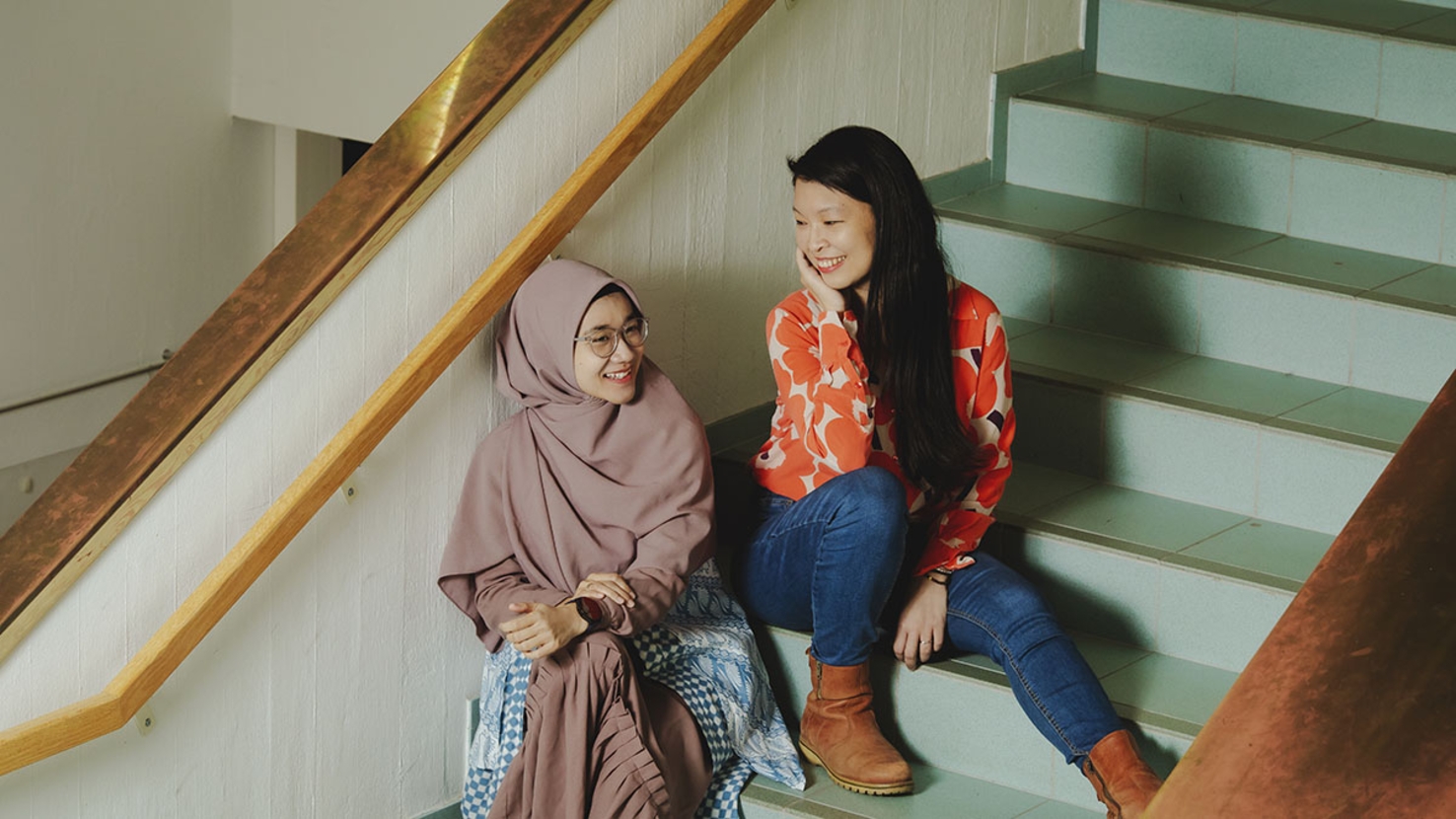 Lue lisää: 5 reasons to study at a University of Applied Sciences
5 reasons to study at a University of Applied Sciences
Laurea students Dinda Rahmaniar and Chien-Chuen Huang give five reasons to study at Laurea.
-
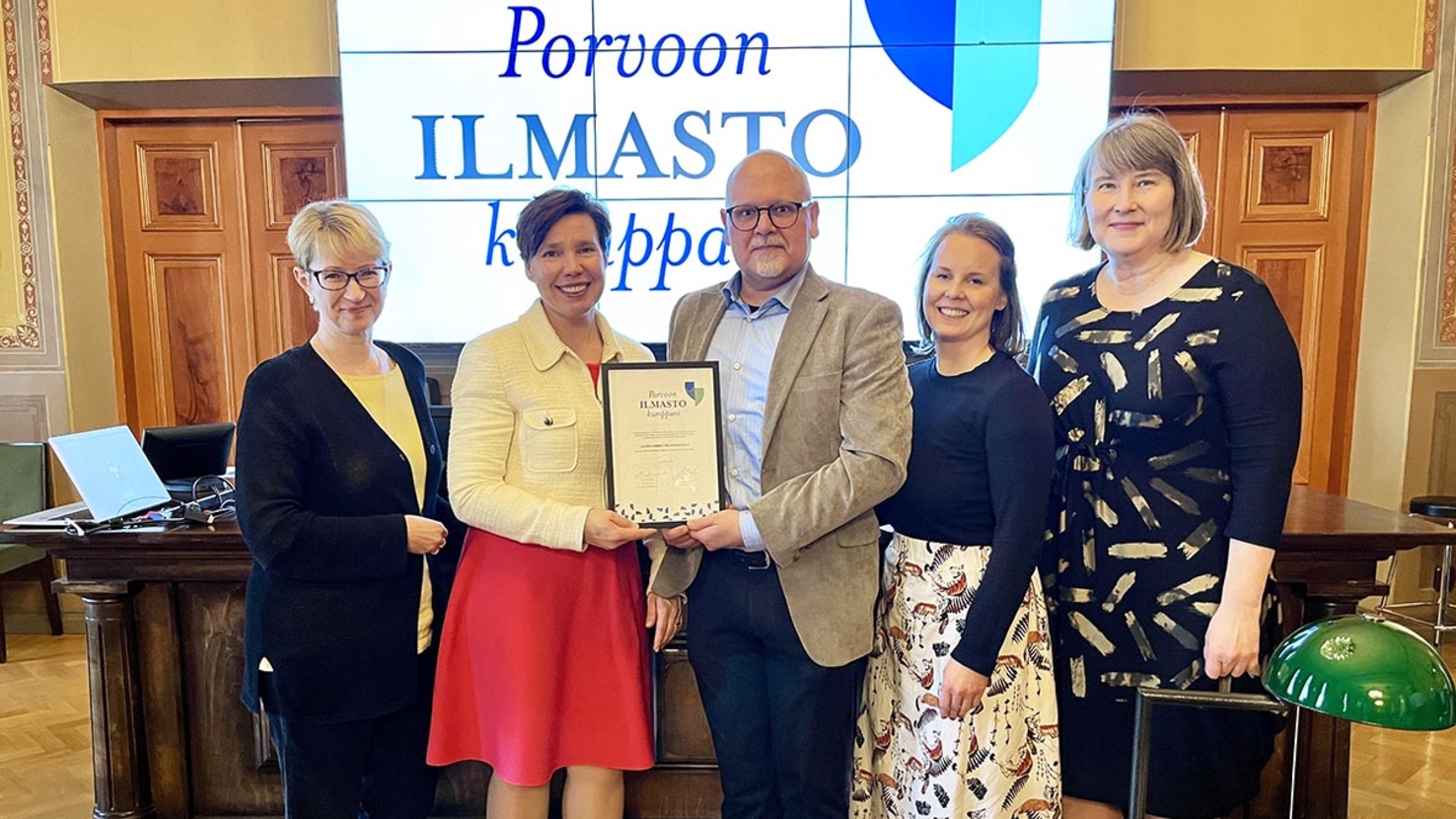 Lue lisää: Laurea Joins the Porvoo Climate Partners Network
Laurea Joins the Porvoo Climate Partners Network
Laurea has become a member of the Porvoo Climate Partners network.
-
 Lue lisää: Laurea’s Key Partnership Model Evolves; Fueling Business Projects with the RUUTI Model
Laurea’s Key Partnership Model Evolves; Fueling Business Projects with the RUUTI Model
The new RUUTI model enables us to respond more flexibly to partner project requests.
-
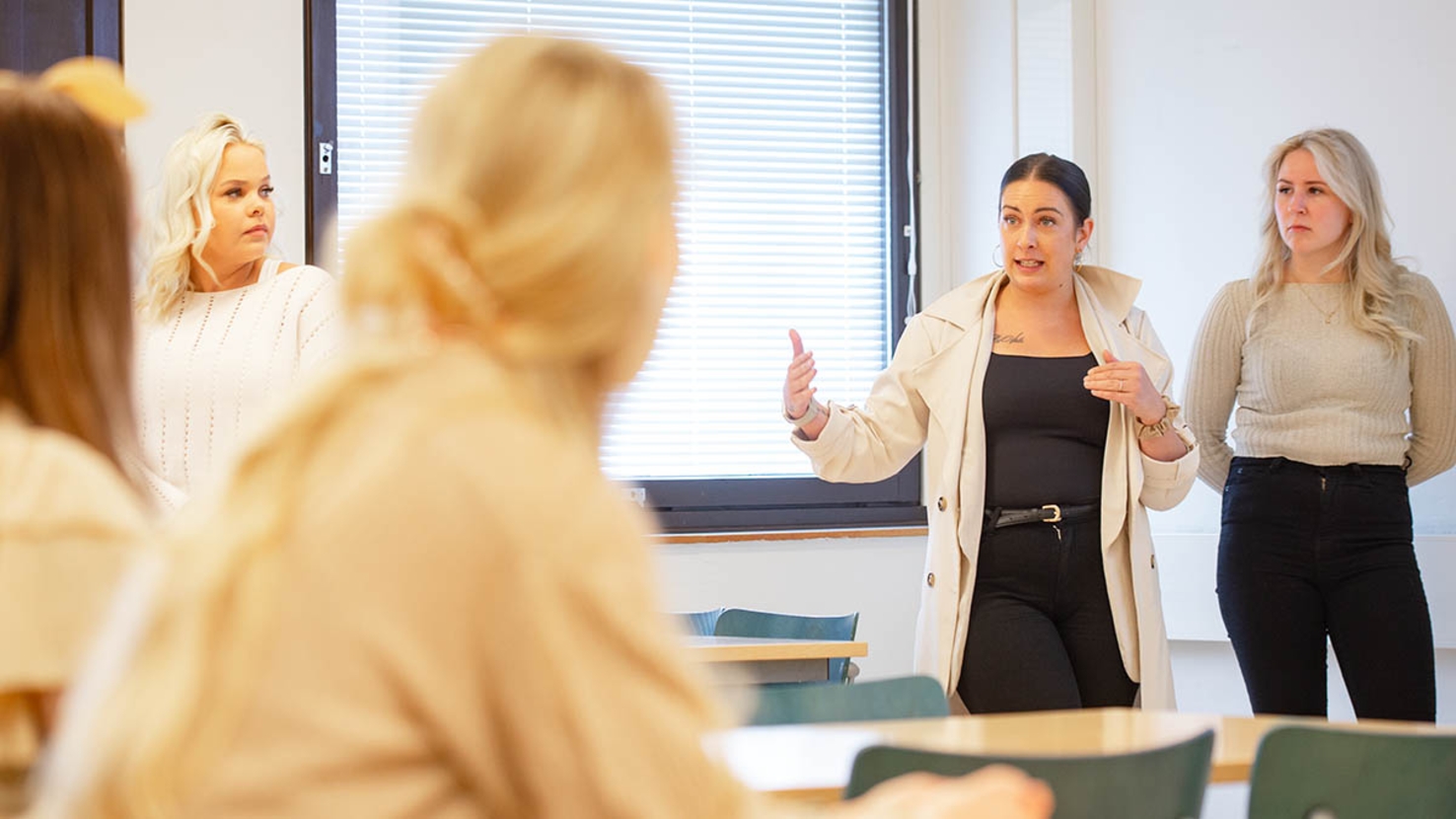 Lue lisää: Spring semester student projects presented at the Future Innovators seminar at Hyvinkää campus
Spring semester student projects presented at the Future Innovators seminar at Hyvinkää campus
The traditional project seminar brought together project management students and partners.
-
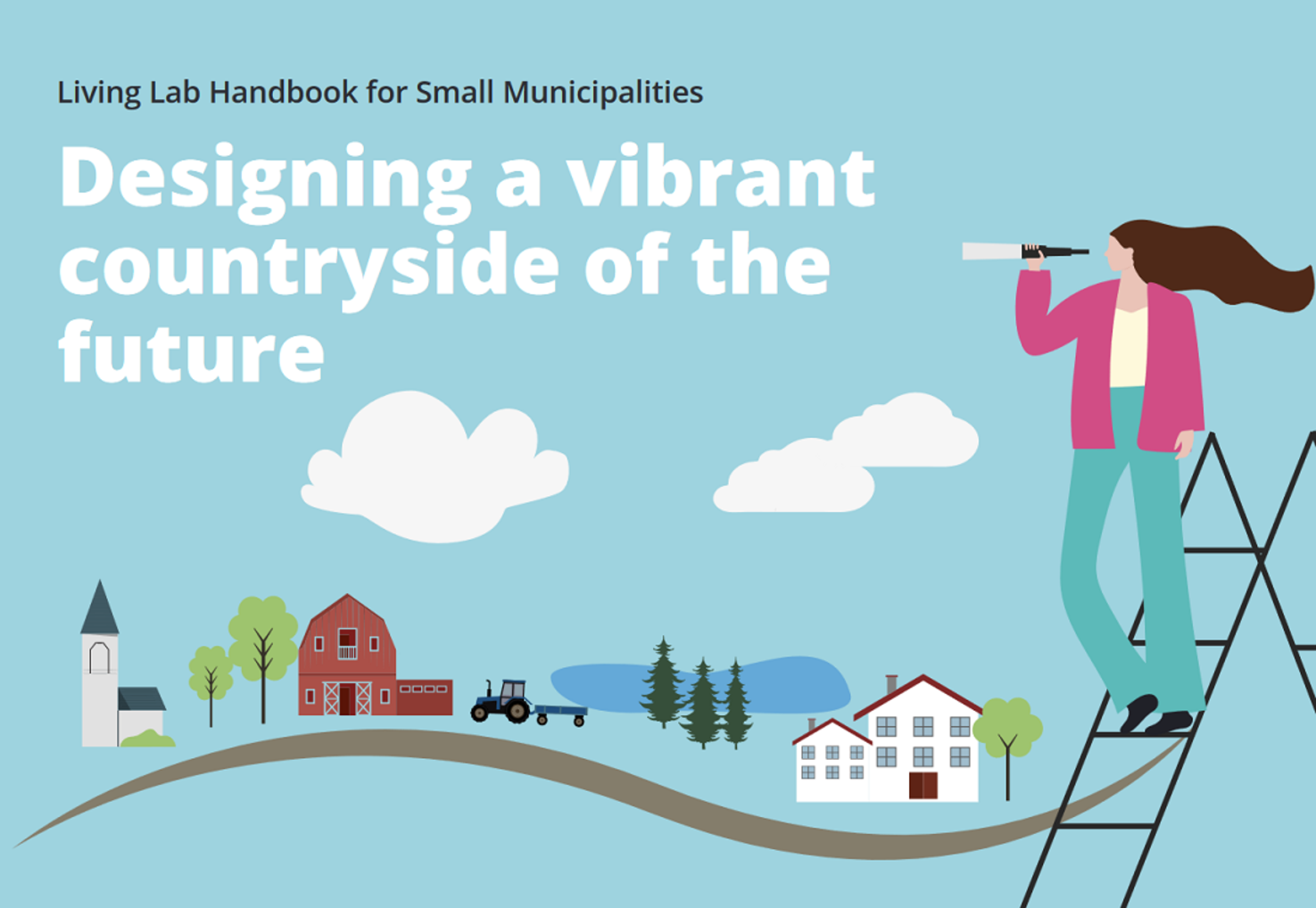 Lue lisää: Internationally recognised Living Lab Handbook helps create business and innovation opportunities in rural areas
Internationally recognised Living Lab Handbook helps create business and innovation opportunities in rural areas
The Living Lab Handbook for Small Municipalities sets out the principles of Living Labs and co-creation and offers tools and examples on developing municipalities.
-
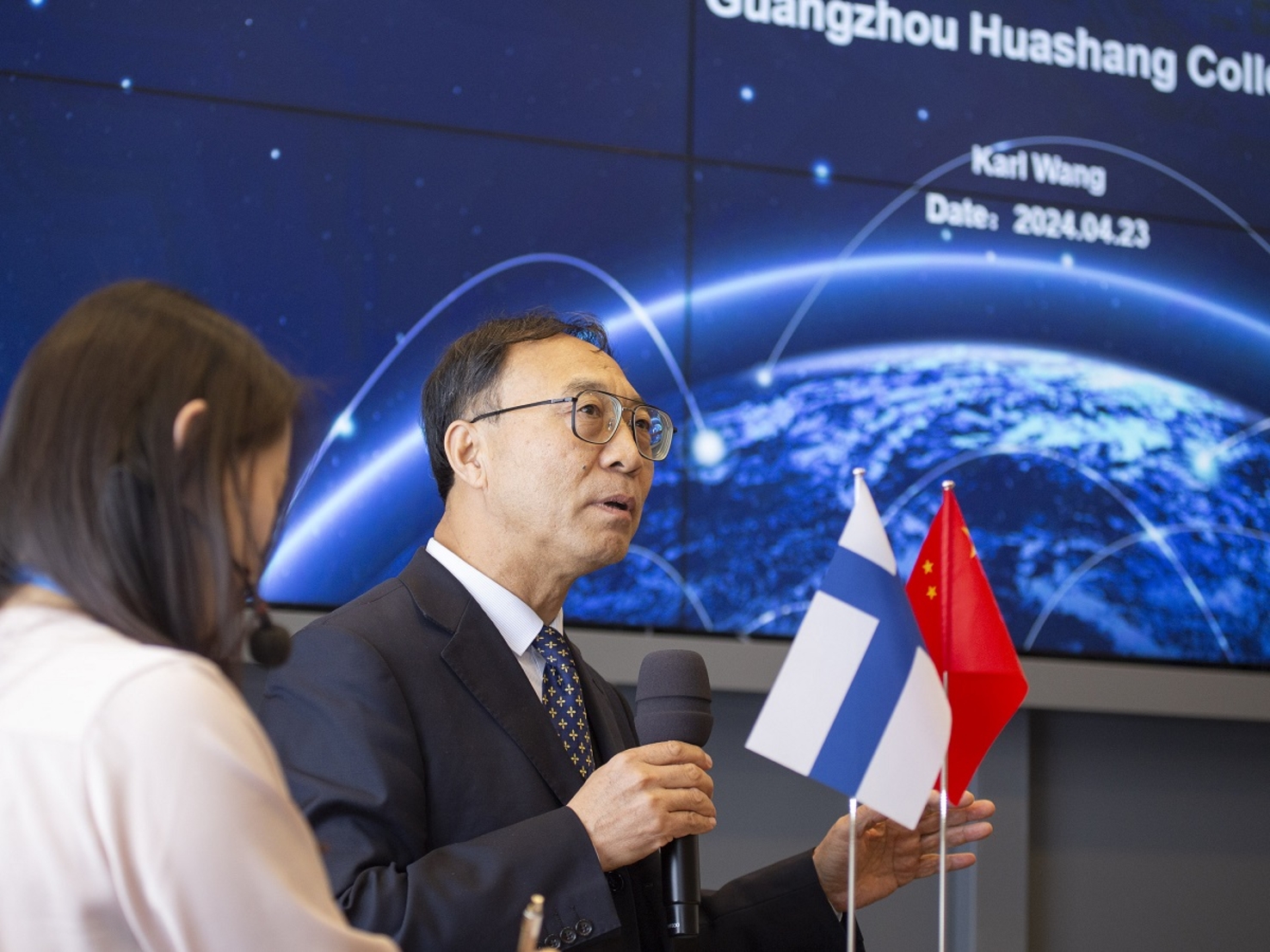 Lue lisää: Joint development days of the China Network at Laurea
Joint development days of the China Network at Laurea
The Sino-Finnish Joint Development Days brought parties from China and Finland together, in order to jointly build cooperation projects between two countries. Over 20…
-
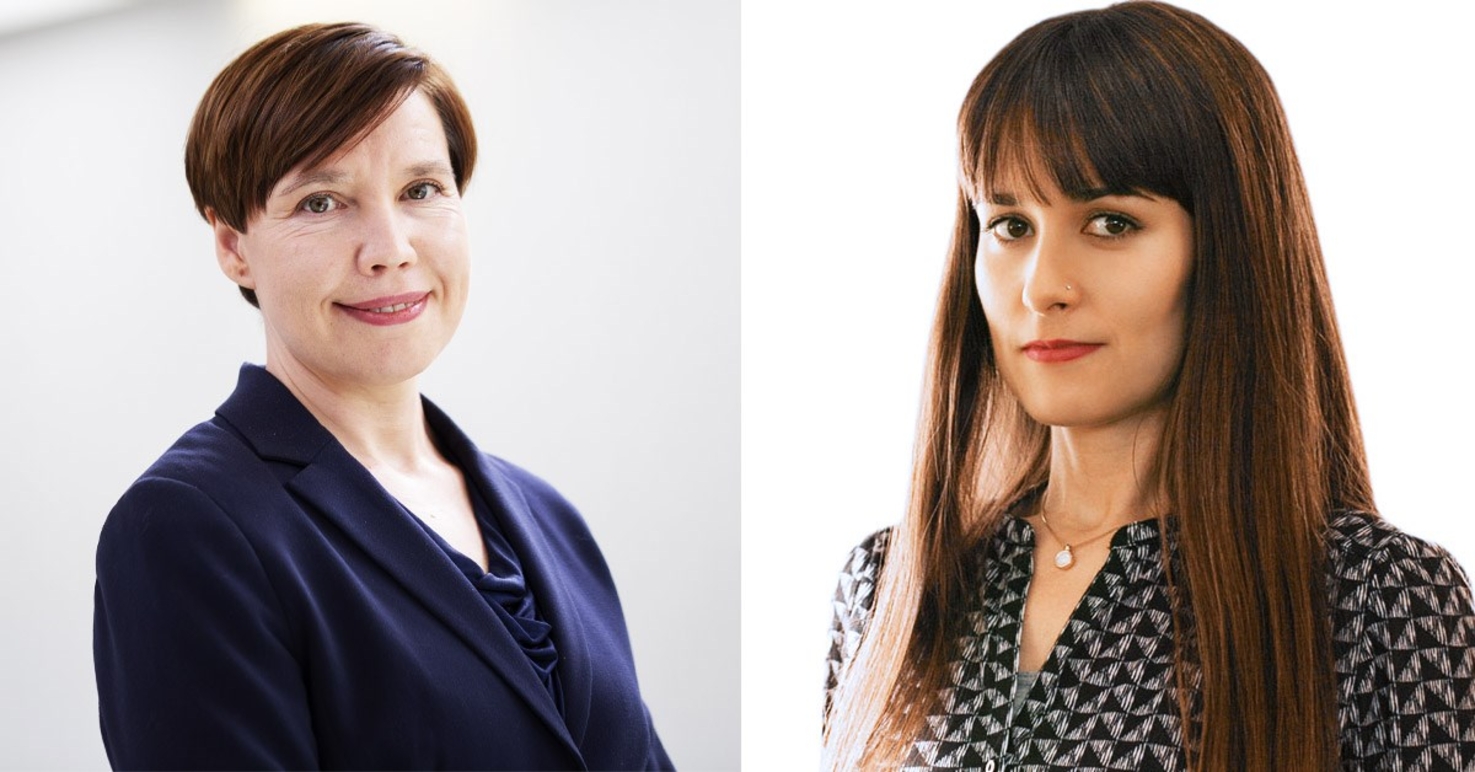 Lue lisää: Laurea is a competitive workplace for top researchers
Laurea is a competitive workplace for top researchers
The purpose of the Researcher Career Track is to strengthen the impact of Laurea’s research, development and innovation (RDI) activities.
-
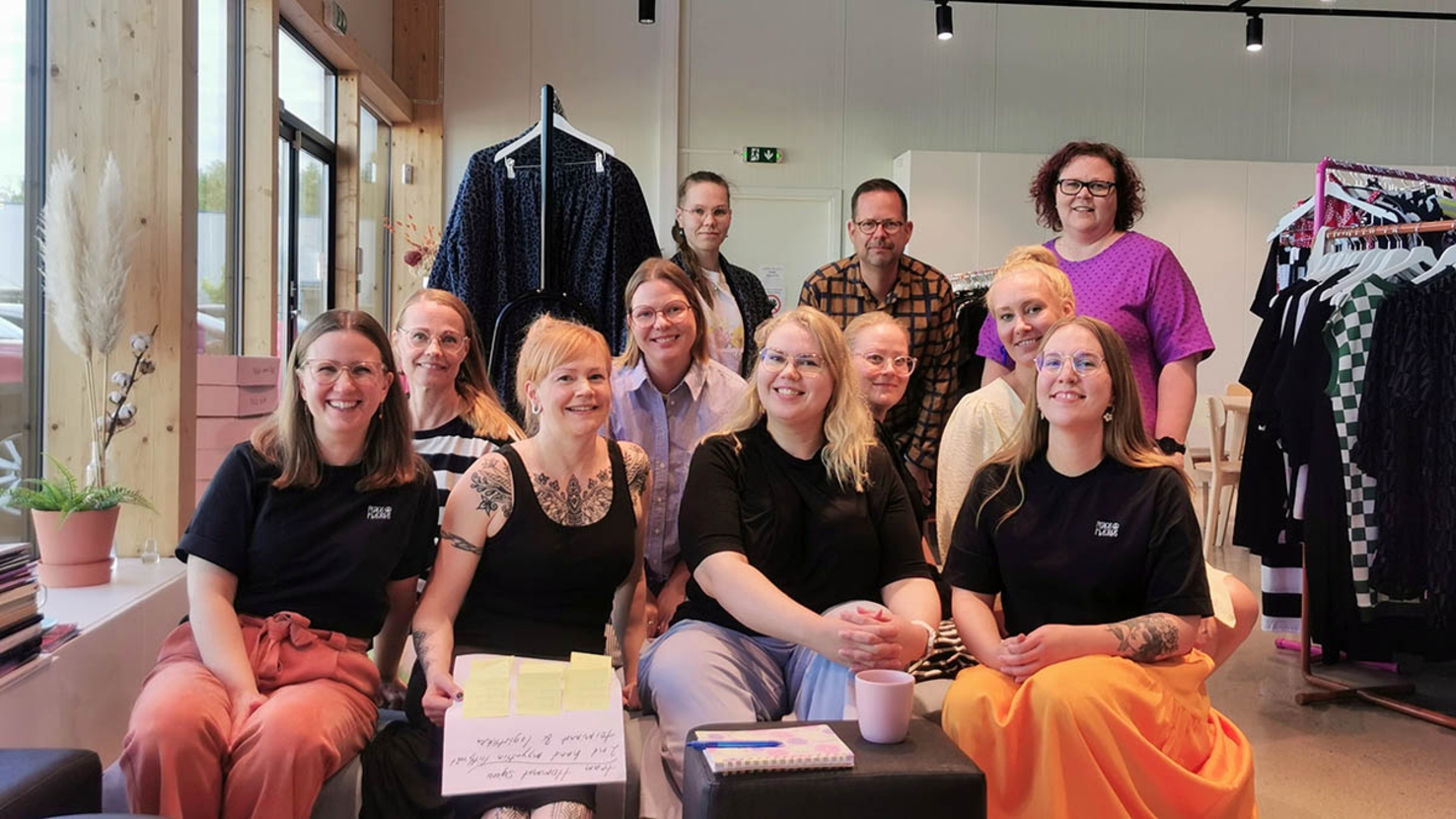 Lue lisää: Bachelor’s thesis developed online sales of second-hand clothing for Aarrelabel
Bachelor’s thesis developed online sales of second-hand clothing for Aarrelabel
Business management student Tanja Nikola completed her thesis as part of the Baltic2Hand project coordinated by Laurea.
-
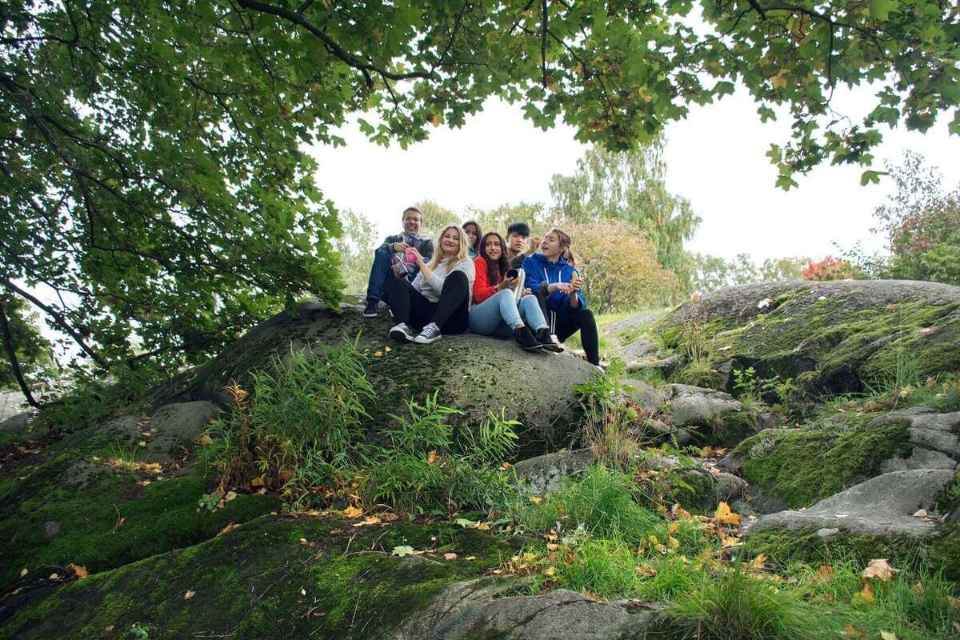 Lue lisää: Students developed new circular economy concepts in 3UAS-project
Students developed new circular economy concepts in 3UAS-project
During this spring’s 3UAS Circular Economy for Sustainable Growth learning lane students got to develop new circular economy service concepts for K-Rauta.
-
 Lue lisää: Laurea launches researcher career track with ten researcher recruitments
Laurea launches researcher career track with ten researcher recruitments
Researcher positions are opened in all Laurea’s three research programmes.
Circular economy research and development projects
-
Agents of Change–Unhurried Horizons: The Future of Slow Tourism
Implementation period:
1.2.2025 – 31.1.2028
Lue lisää hankkeesta: Agents of Change–Unhurried Horizons: The Future of Slow TourismResearch programme:
Service Business and Circular Economy -
Reskill Revolution: Pioneering Change in Adult Education
Implementation period:
1.3.2025 – 29.2.2028
Lue lisää hankkeesta: Reskill Revolution: Pioneering Change in Adult EducationResearch programme:
Service Business and Circular Economy -
Circular Economy RDI-Booster
Implementation period:
1.11.2024 – 31.8.2027
Lue lisää hankkeesta: Circular Economy RDI-BoosterResearch programme:
Service Business and Circular Economy -
From Research to Impact
Implementation period:
1.8.2026 – 30.4.2027
Lue lisää hankkeesta: From Research to ImpactResearch programme:
Service Business and Circular Economy -
The Competence Bridge – Impactful RDI-driven skills development
Implementation period:
1.8.2026 – 30.11.2028
Lue lisää hankkeesta: The Competence Bridge – Impactful RDI-driven skills developmentResearch programme:
Service Business and Circular Economy -
LUOVA KASVU – Entrepreneurship, business and resilience in the creative industries
Implementation period:
1.5.2026 – 31.8.2027
Lue lisää hankkeesta: LUOVA KASVU – Entrepreneurship, business and resilience in the creative industriesResearch programme:
Service Business and Circular Economy -
Teacher as an Expert in Modern Technologies
Implementation period:
15.5.2023 – 30.6.2025
Lue lisää hankkeesta: Teacher as an Expert in Modern TechnologiesResearch programme:
Service Business and Circular Economy -
Food waste ecosystem – Reducing Food Waste and Utilizing Surplus Food
Implementation period:
1.4.2023 – 31.3.2026
Lue lisää hankkeesta: Food waste ecosystem – Reducing Food Waste and Utilizing Surplus FoodResearch programme:
Service Business and Circular Economy -
AI-askelia – Human-centric AI actions at work places
Implementation period:
1.9.2025 – 31.8.2028
Lue lisää hankkeesta: AI-askelia – Human-centric AI actions at work placesResearch programme:
Service Business and Circular Economy -
KYLKI – City Regions and Businesses boosting Nature Positivity
Implementation period:
1.1.2026 – 30.11.2027
Lue lisää hankkeesta: KYLKI – City Regions and Businesses boosting Nature PositivityResearch programme:
Service Business and Circular Economy