Student project
–
Laurea students developed new ‘Network as Code’ solutions at the Nokia Design Sprint
Laurea’s key partner, Nokia, commissioned the thesis sprint for Business Information Technology students.
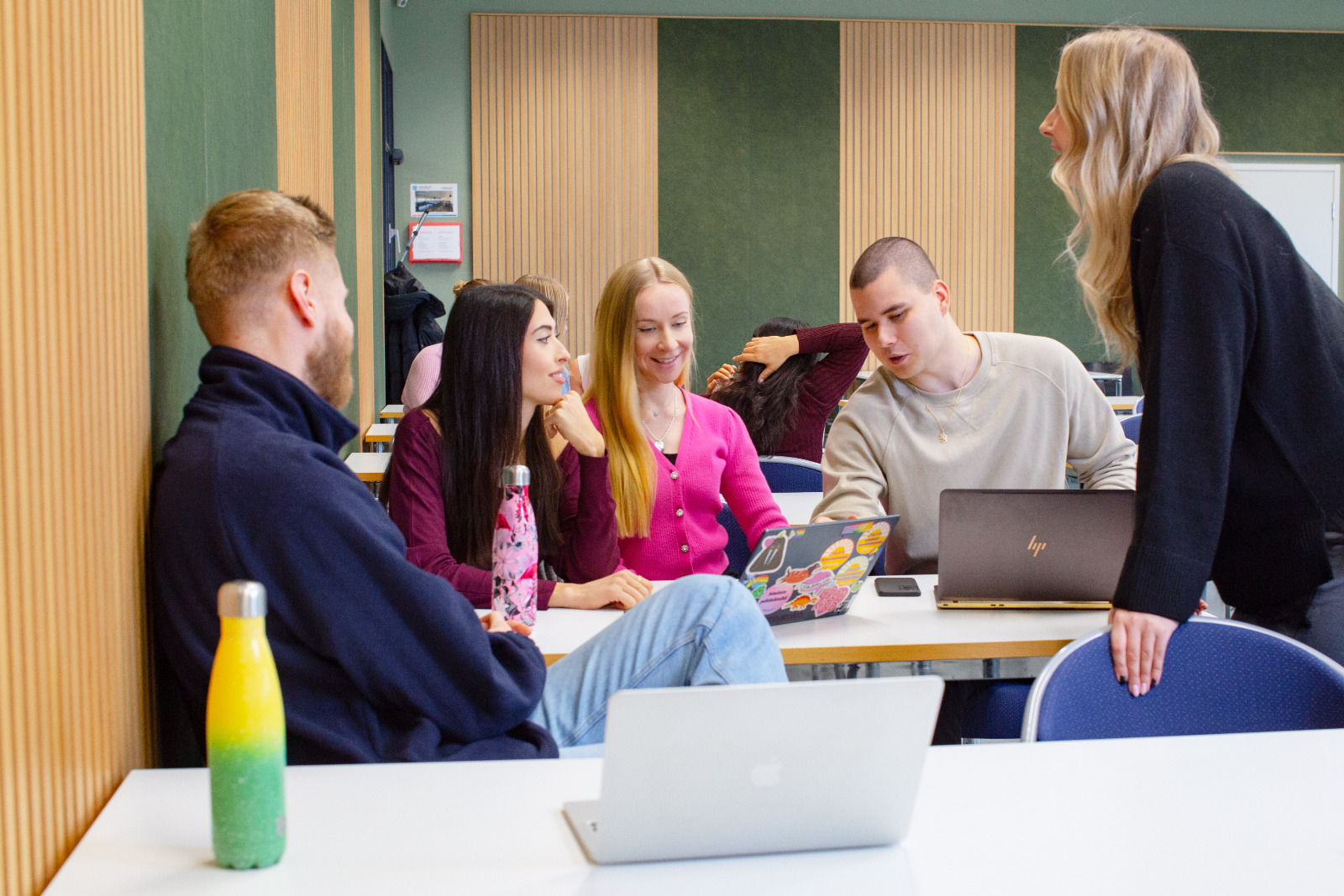
This autumn, students from Laurea’s Business Information Technology degree programmes took part in a thesis sprint commissioned by Laurea’s key partner, the technology company Nokia. The idea behind the sprint is that a client company presents a development challenge and student teams develop solutions to it during an intensive Design Sprint week.
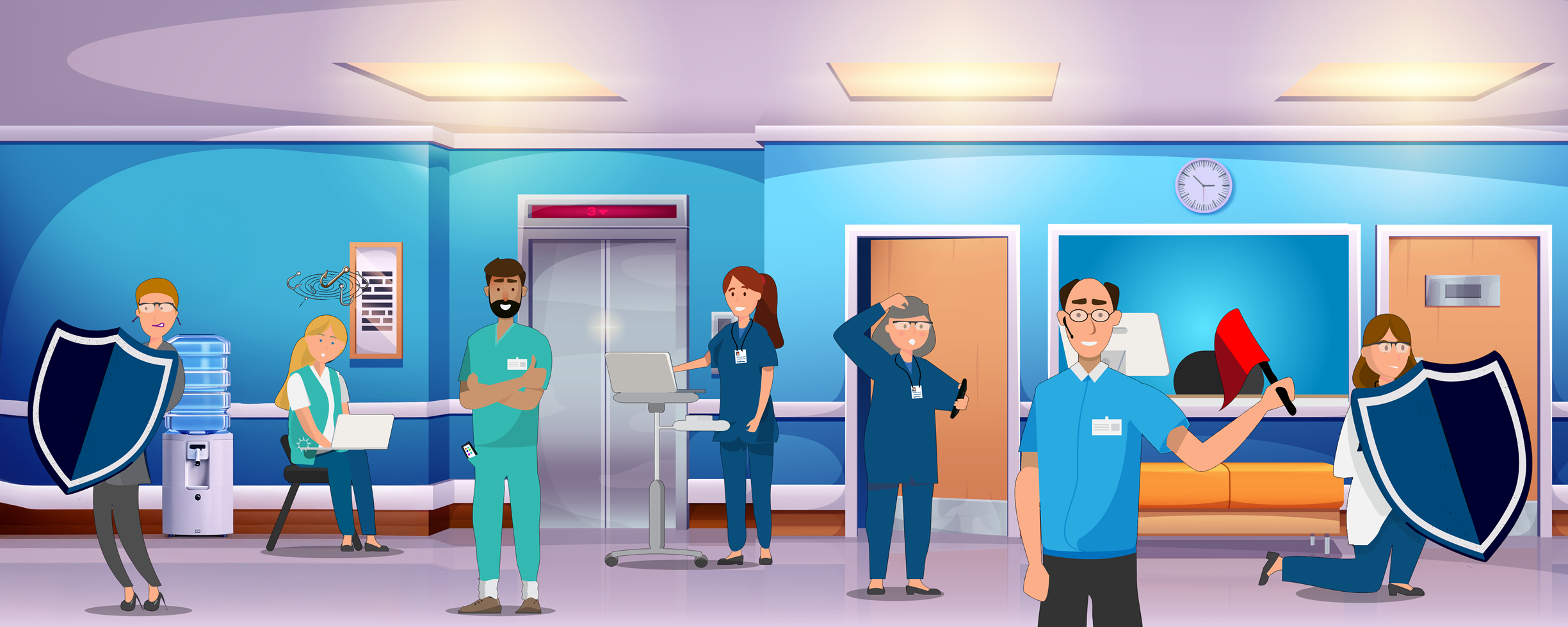
A total of 25 students took part in this autumn’s thesis sprint, forming six project teams. The student teams were tasked with developing new solutions utilising either Nokia’s Network as Code interfaces or agentic AI in use cases related to digital services and information security. Nokia Network as Code is a cloud-based platform that enables application developers to utilise the capabilities of mobile networks in the development of digital services.
“Students look at things from different angles to our own teams, so we hoped to gain a fresh, external perspective on Nokia’s challenges from the teams,” says Principal Standardization Lead Miikka Kemppinen from Nokia, explaining the project’s background.
An intensive and educational project for students
The Design Sprint is a five-day, agile and iterative project methodology with daily objectives aimed at solving development challenges:
“Project teams brainstorm and develop a digital service concept, on the basis of which they build a concrete prototype – tested against customer insights – as a proposed solution. It is important to focus on the pain points in the service process that are relevant to the overall picture”, explains Juha Uutela, the senior lecturer who led the sprint.
At the end of the week, the students present their work, after which the research-based development project is documented, together with a comprehensive knowledge base, in a final project report.
“This project was a major challenge, and it was brilliant to be given a brief by a company like Nokia.”
BIT students Riku Sauvala and Sami Niemi described the Nokia Design Sprint as an intensive and educational project:
“The week-long Design Sprint was an effective project, and the tight schedule pushed us to work really hard. You could describe it like this: at the start of the week, we were given a huge pile of Lego bricks, and as a team we had to quickly create a shared vision of what we could build with them,” Sauvala explains.
“This was a major challenge, and it was brilliant to be given a brief by a company like Nokia,” Niemi continues.
Over the course of the week, the student teams came up with ideas for, amongst other things, how Nokia’s technology could be utilised in remote healthcare services for the home, in monitoring large public events, or in real-time prevention of scam calls.
’Network as Code was a completely new concept to us before we had the chance to explore it through this project. It was an eye-opening week, having to dive straight into a new subject, and now we already have a basic understanding of what can be achieved with this technology,’ the students say.
Thesis sprint is now an established part of the collaboration between Nokia and Laurea
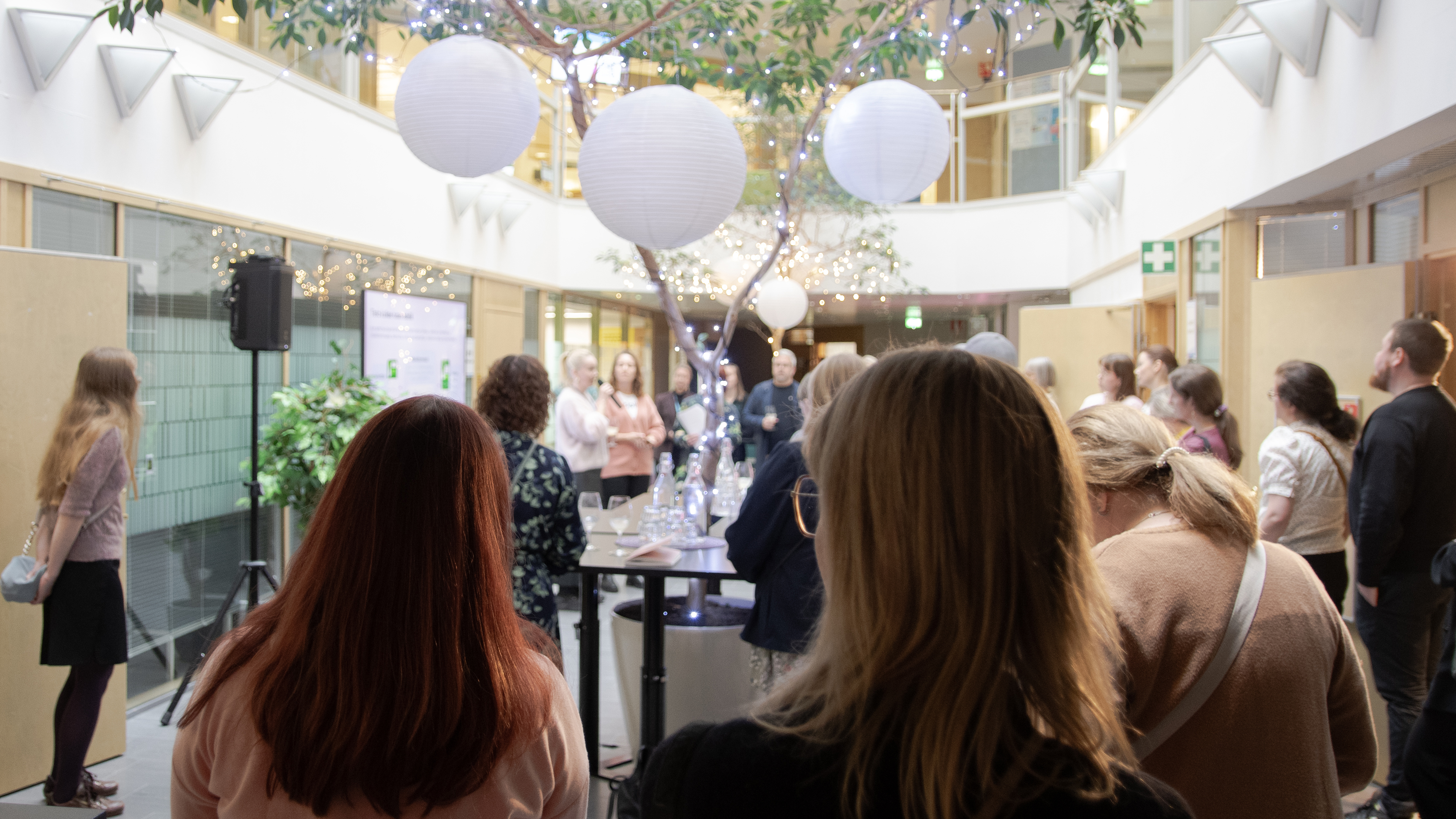
At the end of the sprint week, the students presented their work to Miikka Kemppinen and his colleagues from Nokia. Kemppinen was pleased with how well the students had taken on board the working methods of the Design Sprint approach:
“This year, the students had specifically sought feedback from target groups through, for example, surveys, interviews and prototype testing, and prototypes or functional simulations had been created based on their ideas. The teams were also able to identify the limitations of their solutions and areas requiring further development,” he explained.
This autumn’s thesis sprint was already the fifth in which Nokia had acted as the commissioning organisation. According to Miikka Kemppinen, Nokia has been satisfied with the operating model:
“Previously, we supervised one thesis student at a time. But now, through the sprint, we’re able to produce several theses and generate new ideas with the same level of effort,” Kemppinen summarises. “The sprint has indeed become an annual collaboration with Laurea, and it has been easy to get Nokia’s experts involved.”
“Through this sprint, we’re able to produce several theses and generate new ideas with the same level of effort.”
“During the sprint, the students were also interested in Nokia’s business operations and career opportunities,” says Team Manager Marika Rytkönen from Nokia. “We’ll be taking part in Laurea’s UraFest recruitment event again in January to talk about current internship opportunities. From Nokia’s perspective, UraFest is a great way to reach students and an interesting part of our key partnership.”
Ilkka Kurkela, Head of Key Partnerships at Laurea, is also pleased with the long-term collaboration with Nokia:
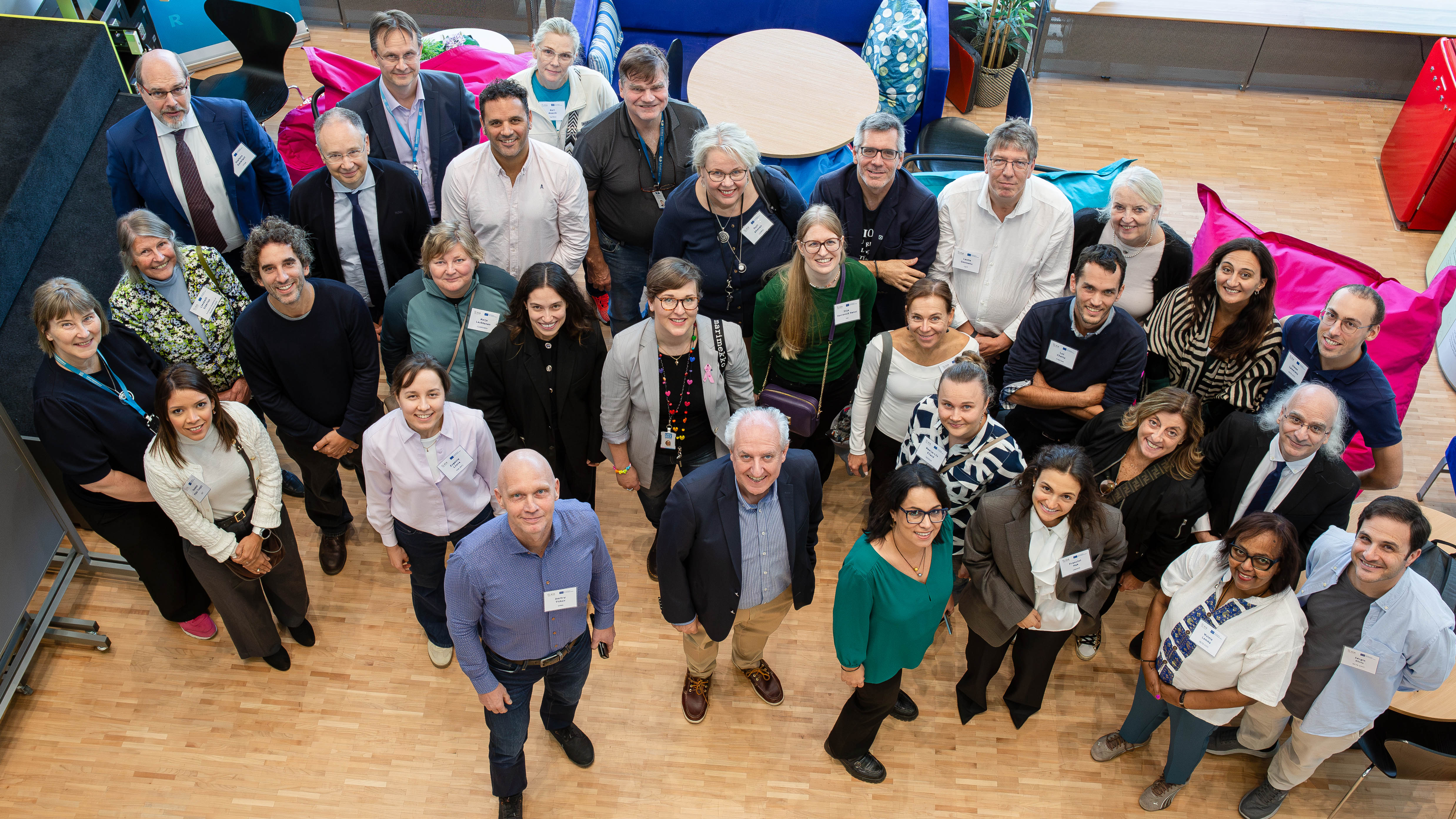
“This project is an excellent example of the long-standing and successful partnership between Laurea and Nokia. Nokia has been a valued key partner for several years, and our collaboration has continued to grow and deepen through career events, guest lectures, student projects, and many other initiatives,” Kurkela explains. “Together, we are creating valuable learning opportunities for students whilst strengthening the connection between higher education and industry.”
Yhteystiedot
-

Ilkka Kurkela
Director
ilkka.kurkela@laurea.fi
+358 40 651 4689
Ajankohtaista