News
–
Laurean of the Year: Kaija Koivusalo, a driving force for internationalisation
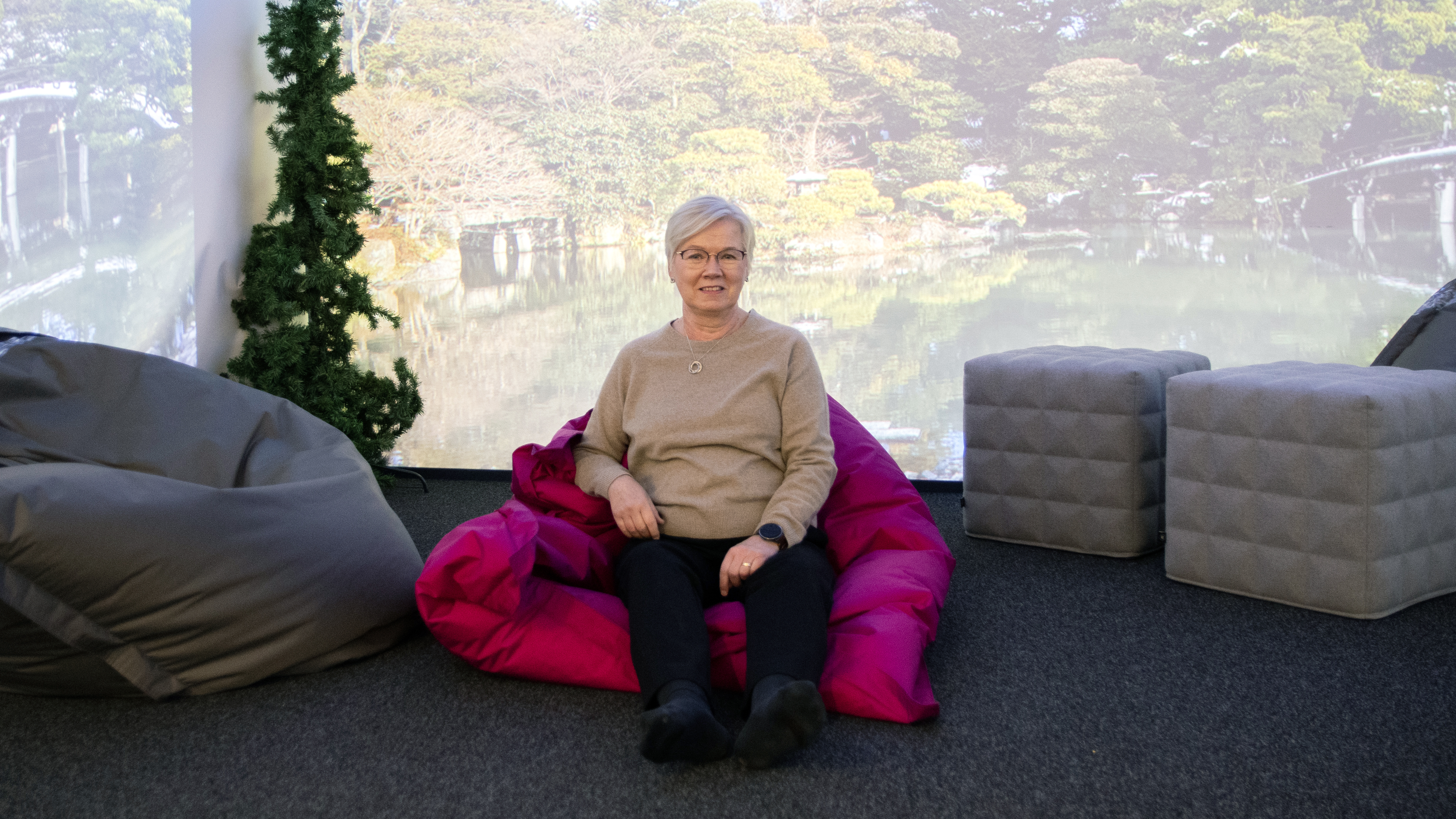
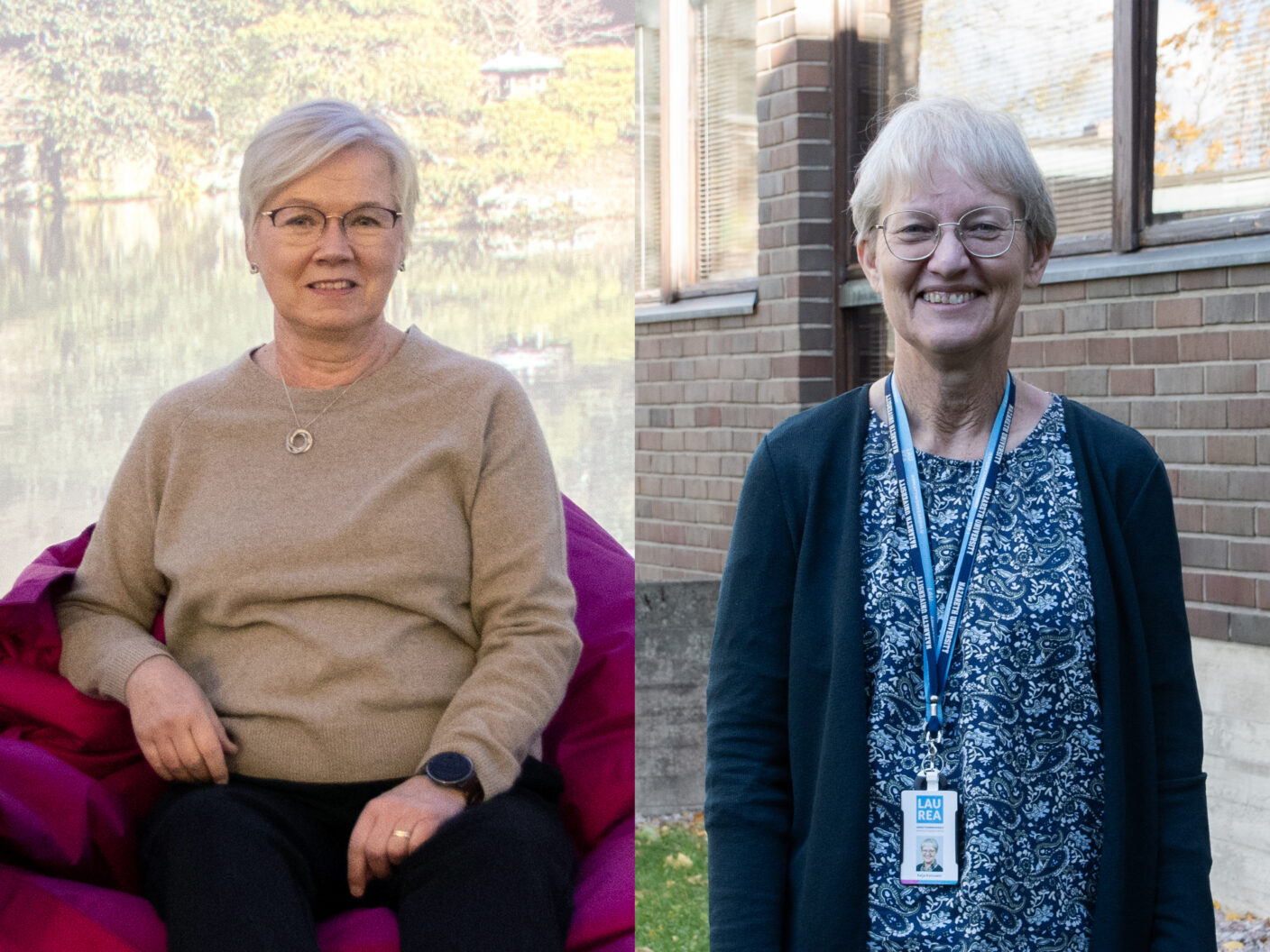
Senior lecturer in accounting and finance Kaija Koivusalo was named Laurean of the Year together with Anne Eskelinen, senior lecturer in social services.
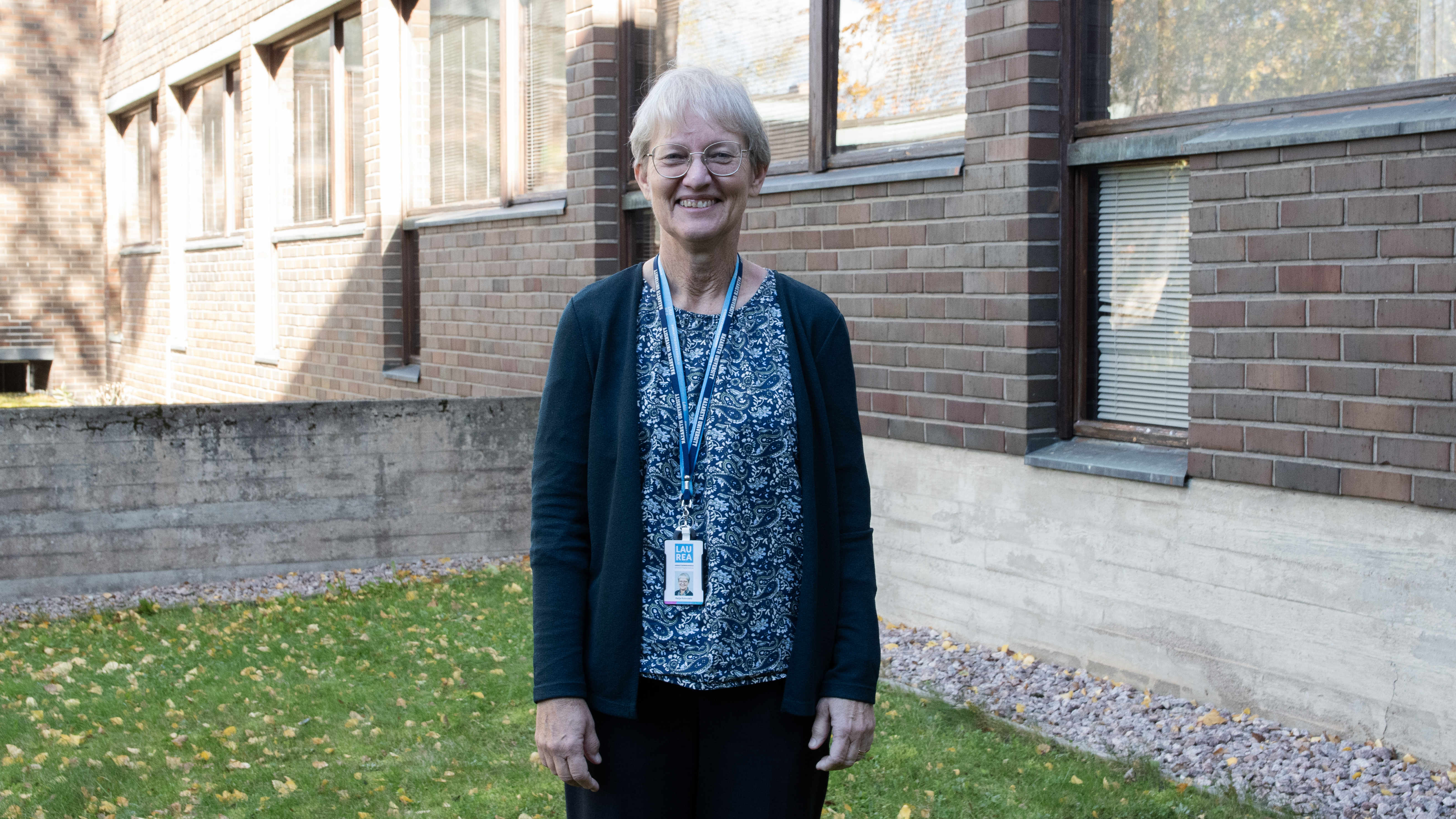
Laurea has a long-standing tradition of recognising a Laurean of the Year. In honour of the university of applied science’s anniversary year, the distinction was exceptionally awarded to two employees whose work best reflects the 35-year journey of Laurea. One of them is Kaija Koivusalo, a senior lecturer in accounting and finance, and the other is Anne Eskelinen, a senior lecturer in social services. The Laureans of the Year were selected based on nominations submitted by staff members.
Kaija Koivusalo joined Laurea in 1999. For nearly three decades, she has contributed to the development of internationalisation at Laurea and supported the employability of international students.
In colleagues’ nominations, Kaija is described as a curious, innovative, and forward-looking educator who continuously seeks new ways to develop higher education services to meet the needs of a changing world. She is known as an inspiring and courageous experimenter who encourages colleagues to grow through her own example.
In addition to teaching international student groups, Kaija has participated in numerous projects, including the DigiEsgo continuing education project focusing on financial management and sustainability reporting.
An international career at Laurea
Internationality has a strong presence at Laurea, and throughout the years Kaija Koivusalo has worked extensively with international themes, making a significant contribution to Laurea’s international expertise.
Internationalisation extends beyond teaching. Laurea has built close cooperation with international partner universities and expert networks over many years. For example, through the PIONEER Alliance, a European cooperation network, students are offered opportunities to international studies and to enter the global labour market.
Internationalisation also takes place at home and through exchange programs and collaborative learning formats. Kaija has organized short-term mobility opportunities through BIP and COIL projects, and she has frequently taught abroad through Erasmus+ staff exchanges.
“We need people here who are genuinely interested in internationalisation”, Kaija emphasises.
Internationalisation is also a personal theme for Kaija. During her childhood, her family lived in various copper smelter towns around the world. She attended primary school in Australia and completed high school in the Philippines.
“English is my emotional language. My sister and I even spoke English to each other when we were children.”
In Kaija’s view, the best moments at work are the encounters with students and working with them. She believes that Finland needs international students and strives to facilitate contact between employers and international students.
“International students bring new perspectives and different ways of approaching problems, and that leads to positive outcomes”, she says.
Teaching is a way to stay connected to a changing society
For Kaija, teaching is above all about learning together with students, supporting their learning processes, and walking alongside them on their educational journey. Over the years, she has let go of the idea that teachers must always know more than their students. Many students already possess extensive expertise and professional experience from which everyone can learn.
“I’ve learned to listen carefully to each group and think about what they need”, Kaija explains.
The rapid rise of artificial intelligence has brought new challenges to teaching, but Kaija also sees opportunities in this transformation.
“Perhaps we’ll return to more traditional paper-based exams and oral group discussions. We may spend more time together and engage in deeper conversations”, she reflects.
Even as work changes with advances in AI, Kaija believes the human contribution will remain essential. In her field of accounting and finance, the core tasks have remained remarkably similar for decades. In the future, people will still be needed to interpret reports, anticipate developments, and make informed decisions.
What makes teaching particularly rewarding, she says, is the opportunity to observe societal changes up close and consider how emerging phenomena should be integrated into education.
“This is creative work that keeps you connected to the world around you, while exploring new ideas, developing education, and collaborating with wonderful colleagues.”
Contact
-

Kaija Koivusalo
Senior Lecturer
kaija.koivusalo@laurea.fi
+358 40 736 6276
Current Topics