SMILE – Strengthening Migrant Family Integration through New Dialogue Methods with Communities, Schools, and Services in Vantaa Neighbourhoods
The project strengthened the integration of immigrant families by developing practical, everyday methods in schools, neighbourhoods and community organisations. The goal was to create new ways to meet, listen to and support families within their own communities.
Funders
Project information
Implementation time
9.3.2023 – 28.2.2025
Funder
Council of Europe Development Bank
Research programme
Project type
Themes
Project Manager
Minttu Räty
Background
In Vantaa, immigrant families needed better support for everyday integration, and cooperation between homes, schools and communities was uneven. Services did not always reach families effectively. The project was launched to build trust, improve dialogue and create practical support models in cooperation with schools, the city and local organisations.
Objectives
Families and children
- Support integration, everyday wellbeing and cooperation with schools.
- Provide safe meeting places and low-threshold support in multiple languages.
Schools and professionals
- Strengthen effective home–school collaboration in multilingual settings.
- Create opportunities for equal, open dialogue with families.
Community organisations and local actors
- Build a lasting cooperation network around key integration actors.
- Develop models that can continue after the project ends.
Project Activities
During the project we:
- Built a cooperation network connecting the city, schools, NGOs and multilingual instructors,
- organised open-door walks, multilingual parent evenings and neighbourhood events
- provided work coaching in several languages for immigrants from outside the EU through five NGOs
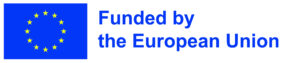
- brought Laurea’s mobile multisensory space “Aistien tila” to schools and community venues as a meeting place,
- engaged 52 Laurea students in project work, placements and theses in local schools and communities, and
- compiled eleven effective integration practices into the project’s final publication.
Results and Outputs
- Eleven practical and tested integration methods were created and adopted by the city and partner organisations.
- Dialogue between families and schools improved through multilingual meetings and activities.
- Work coaching became part of the city’s service structure, and funding was allocated for its continuation.
- A permanent cooperation network was established among key integration actors.
- Student involvement strengthened collaboration with schools and community services.
- A bilingual final report was produced, documenting all methods and lessons learned.
Contacts
-
Minttu Räty
Senior Lecturer
minttu.raty@laurea.fi
+358 9 886 879 19
You may also be interested
-
Food waste ecosystem – Reducing Food Waste and Utilizing Surplus Food
Implementation time:
1.4.2023 – 31.3.2026
Read more: Food waste ecosystem – Reducing Food Waste and Utilizing Surplus FoodResearch programme:
Service Business and Circular Economy -
AI-askelia – Human-centric AI actions at work places
Implementation time:
1.9.2025 – 31.8.2028
Read more: AI-askelia – Human-centric AI actions at work placesResearch programme:
Service Business and Circular Economy